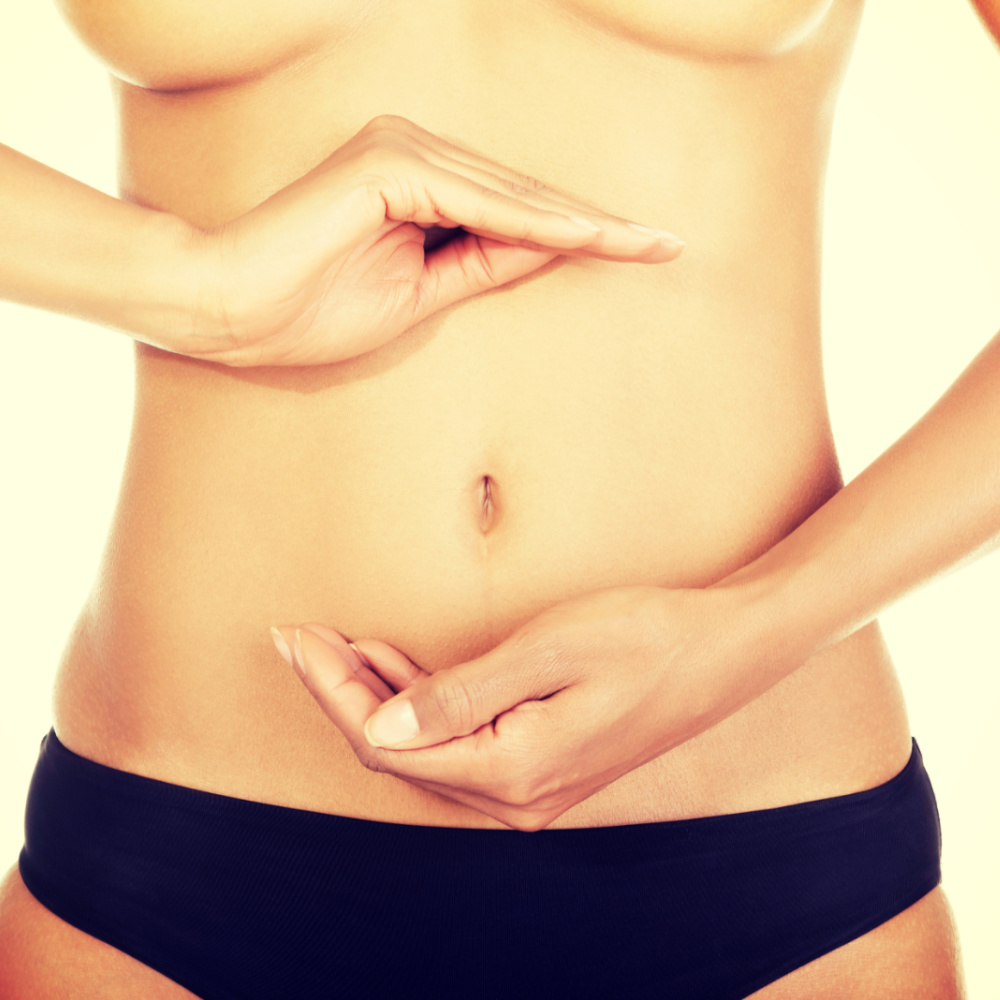
TUMMY TUCK (ABDOMINOPLASTY)

Tummy tuck surgery or abdominoplasty, is a cosmetic surgery aimed at creating a more desirable shape in the stomach area (abdomen).

The tummy tuck surgery typically involves the removal of excess skin, fat and even stretch marks, in addition to tightening up the abdominal region. This procedure is not a weight loss surgery, and is only recommended to those near their target weight with stubborn fat deposits.
Header image

Tummy Tuck (Abdominoplasty) with Maria Athanasiadou

Enhance Your Confidence with Maria Athanasiadou
Expert in blepharoplasty and eyelid rejuvenation, offering personalised treatment plans to restore a refreshed, youthful appearance. Using advanced techniques, Maria addresses sagging upper and lower eyelids, smooths fine lines, and enhances the natural contours around the eyes, delivering balanced, natural-looking results tailored to your features.

Why Do People Have a Tummy Tuck (Abdominoplasty)?

There are several reasons why somebody may have excess fat or loose skin that is resistant to dietary/excercise changes. Below are listed some of the common reasons for people to choose tummy tuck surgery:
Significant weight changes
Pregnancy
Previous abdominal surgery, such as a C-section
Natural ageing
Individual body shape and genetics
A tummy tuck (abdominoplasty) is designed to remove excess skin and fat from the abdomen while tightening weakened or separated abdominal muscles, a condition known as rectus diastasis. The procedure also strengthens the underlying connective tissue (fascia) to create a flatter, firmer abdominal profile. In many cases, stretch marks and loose skin below the belly button can be reduced or removed.

If you have previously had a C-section, the existing scar can often be incorporated into the tummy tuck incision, helping to improve its appearance. A tummy tuck can also be combined with other body contouring procedures, such as breast surgery or excess skin removal from areas like the arms or thighs, for more comprehensive reshaping.
Who is Suitable for Tummy Tuck (Abdominoplasty) Surgery?
The tummy tuck procedure may not be suitable for everyone. Your surgeon may advise against the procedure if you plan significant weight loss, are considering future pregnancy, have certain long-term medical conditions, require blood-thinning medication, have a higher body mass index, smoke, or have extensive abdominal scarring from previous surgery.

What Does Tummy Tuck Surgery Involve?

A tummy tuck is usually performed in a hospital or surgical centre under general anaesthetic, which keeps you asleep and pain-free during the procedure.

The surgeon removes excess skin and fat from the area between the belly button and pubic bone, tightens the underlying abdominal muscles and fascia with permanent stitches, and repositions the belly button through a small incision. The incision is closed along the natural crease near the swimsuit line, leaving a discreet scar.

Antibiotics may be given during surgery to reduce the risk of infection, and the procedure typically takes less than four hours.

Frequently Asked Questions about Tummy Tuck (Abdominoplasty)?

What is a tummy tuck?

How much does a tummy tuck cost in the UK?

Am I a good candidate for a tummy tuck?

What is the recovery time after a tummy tuck?

Are the results of a tummy tuck permanent?

What are the risks of tummy tuck surgery?

Can a tummy tuck be combined with other procedures?

CONTACT US

SCHEDULE A 
CONSULTATION

Contact us to book your consultation with Miss Maria Athanasiadou.
Thank you! Your submission has been received!
Oops! Something went wrong while submitting the form.

Possible Risks and Complications with Tummy Tuck Surgery

Tummy tuck surgery carries some risks, including:
Fluid buildup (seroma): Excess fluid under the skin may require drainage.
Poor wound healing: Incisions may heal slowly or separate; antibiotics help reduce infection risk.
Scarring: Tummy tuck scars are permanent but usually hidden along the swimsuit line.
Tissue damage: Fatty tissue may be damaged, especially in smokers; further treatment may be needed.
Changes in sensation: Numbness or reduced feeling in the abdomen or upper thighs is common but usually improves over time.
Other general surgical risks include bleeding, pain, infection, and reactions to anaesthesia.

Your surgeon will discuss these risks in detail during your consultation and explain how they are minimised.

How to Prepare for a Tummy Tuck (Abdominoplasty)?

Before your tummy tuck, you’ll have a consultation with a plastic surgeon to review your medical history, current medications, past surgeries, allergies, and weight changes. The surgeon will examine your abdomen, take photos if needed, and discuss your goals, expected results, and potential risks, including scarring.

To optimise recovery, you may be asked to:
Stop smoking several weeks before surgery to reduce complications
Avoid certain medications and supplements that increase bleeding
Maintain a stable weight and lose excess weight if recommended
Arrange support at home, including transport to and from surgery and someone to stay with you the first night

Tummy Tuck (Abdominoplasty) Recovery and Aftercare

After a tummy tuck, your incisions are covered with dressings, and small drains may be placed to remove excess fluid. Pain medication is usually prescribed, and mild swelling is normal. Early movement, often starting the day after surgery, helps reduce the risk of blood clots.

Key aftercare steps:

Wear an abdominal binder for 6–8 weeks to support healing and reduce fluid buildup
Avoid lifting, straining, or strenuous activity for at least six weeks; no sports for eight weeks
Follow instructions for drain care, medications, and scar management
Attend all follow-up appointments to monitor healing and ensure optimal results
Most patients can return to work within 2–4 weeks, depending on how physically demanding their job is.