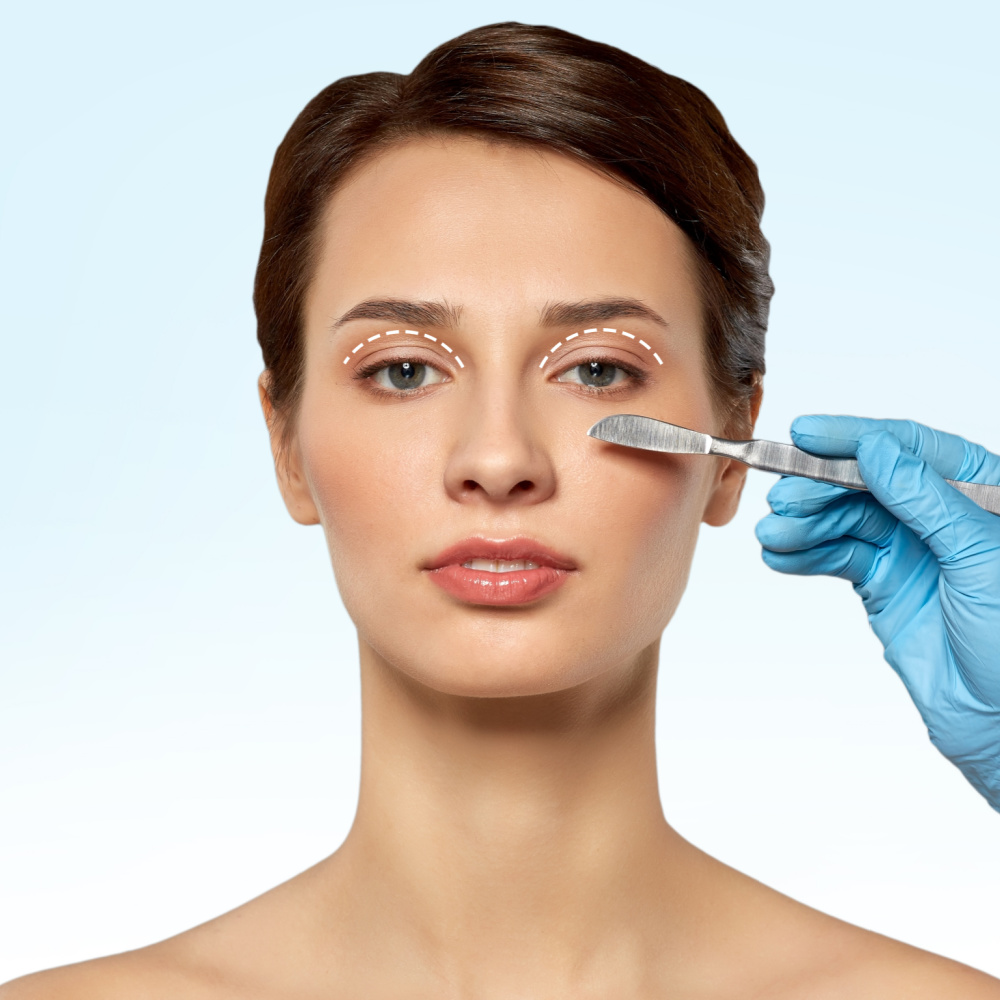
BLEPHAROPLASTY

Eyelid Surgery (Blepharoplasty) is a common cosmetic surgery that removes excess skin from the eyelids as a solution for droppy or baggy eyelids. As we age our eyelids stretch and their stabilising muscles weaken. This may lead to an excess gathering of fat and skin around the eyelids.

Another issue that may arise from sagging eyelids is the potential for impaired vision. Blepharoplasty aims to reduce or remove these problems, whilst rejuvanating the face creating a younger more alert aesthetic.
Header image

Blepharoplasty (Eyelid Surgery) with Maria Athanasiadou

Enhance Your Confidence with Maria Athanasiadou
Expert in blepharoplasty and eyelid rejuvenation, offering personalised treatment plans to restore a refreshed, youthful appearance. Using advanced techniques, Maria addresses sagging upper and lower eyelids, smooths fine lines, and enhances the natural contours around the eyes, delivering balanced, natural-looking results tailored to your features.

Why Do People Have Blepharoplasty (Eyelid Surgery)?

Some people may opt for Blepharoplasty when they encounter some of these issues regarding their eyes/eyelids:
Sagging or drooping upper eyelids
Extra upper eyelid skin that can limit peripheral vision
Loose or excess skin on the lower eyelids
Puffiness or under-eye bags
The Blepharoplasty procedure can be done in combination with other procedures, such as the face/neck lift.
Who is Suitable for Blepharoplasty (Eyelid Surgery)?
As no patient is the same, your surgoen will assess whether you are suitable during your first consultation. Some of the factors taken into consideration are as follows:
Evaluation of medical conditions that may increase surgical risk, such as diabetes, thyroid eye disease, dry eye issues
Smokers may be advised to stop for a few weeks before surgery to support healing and recovery
You must be 18 years old and suitble for anesthetic

What Does Blepharoplasty (Eyelid Surgery) Involve?

Blepharoplasty is usually performed in an outpatient setting. Local anaesthetic injections are used to numb the eyelids, and sedatives may be administered through an IV to help you relax. For the upper eyelids, the surgeon makes a small incision along the natural eyelid fold, removes excess skin, muscle, and sometimes fat, and then carefully closes the incision.

On the lower eyelids, an incision is made just below the lashes or inside the eyelid, allowing the surgeon to remove or reposition excess skin, muscle, and fat before closing. In cases where the upper eyelid droops close to the pupil, blepharoplasty may be combined with ptosis correction, which lifts the eyelid while removing excess skin to improve both function and appearance.

Frequently Asked Questions about Blepharoplasty (Eyelid Surgery)

What is blepharoplasty?

How much does blepharoplasty cost in the UK?

Is blepharoplasty available on the NHS?

How long does recovery take after eyelid surgery?

Is blepharoplasty painful?

How long do blepharoplasty results last?

Am I a good candidate for blepharoplasty?

CONTACT US

SCHEDULE A 
CONSULTATION

Contact us to book your consultation with Miss Maria Athanasiadou.
Thank you! Your submission has been received!
Oops! Something went wrong while submitting the form.

Possible Risks and Complications with Blepharoplasty

As with any surgical procedure, blepharoplasty carries some risks, including reactions to anaesthesia and issues related to healing. While complications are uncommon, potential risks may include:
Infection or bleeding
Dryness, irritation, or discomfort in the eyes
Difficulty closing the eyelids or changes in eyelid position
Visible scarring or skin colour changes
Injury to surrounding eye muscles
Temporary blurred vision or, in rare cases, vision loss
The possibility of further corrective surgery
Your surgeon will discuss these risks in detail during your consultation and explain how they are minimised.

How to Prepare for Blepharoplasty (Eylid Surgery)

Before your procedure, you’ll attend a consultation to review your medical history, discuss your goals, and confirm your suitability for eyelid surgery. You may also have a basic eye assessment and pre-operative photographs taken for planning purposes.

Before surgery, your surgeon may ask you to:
Stop medications or supplements that increase bleeding
Quit smoking several weeks beforehand to support healing
Arrange transport home and post-surgery support if treated as a day case
Being well-prepared ensures a safe procedure and helps achieve natural, long-lasting results. A personalised treatment plan will be tailored to your goals, restoring youthful contours and confidence.

Book a consultation to explore your options and receive expert guidance on blepharoplasty.

Blepharoplasty (Eyelid Surgery) Recovery and Aftercare

After blepharoplasty, you’ll be monitored briefly before returning home the same day. Recovery is usually straightforward, with swelling and bruising improving over the first one to two weeks.You may temporarily experience blurred vision, watery or sensitive eyes, eyelid swelling or numbness, bruising, and mild discomfort.

To Support Recovery, You May be Advised to:

Use cold compresses and prescribed eye drops or ointments
Sleep with your head elevated and wear sunglasses outdoors
Avoid strenuous activity, smoking, rubbing your eyes, and contact lenses
Follow-up appointments may be arranged to remove stitches if required.
Following your surgeon’s instructions ensures a smooth recovery and the best long-term results.

Seek Medical Attention Urgently if You Notice:

Severe or worsening eye pain
Bleeding or sudden vision changes
Chest pain, shortness of breath, or irregular heartbeat

How to Maintain Your Eyelid Surgery Results

Many people report feeling more confident after blepharoplasty, with a refreshed, more youthful, and well-rested appearance. Results can be long-lasting and, for some patients, may last many years, although natural ageing means eyelid drooping can return over time.

Swelling and bruising usually improve within 10 to 14 days, while surgical scars continue to fade gradually over several months. Protecting the delicate eyelid skin from sun exposure is important to support healing and maintain results.